Cybersecurity in 2026: Zero Trust, AI Security & Emerging Threats Explained Simply
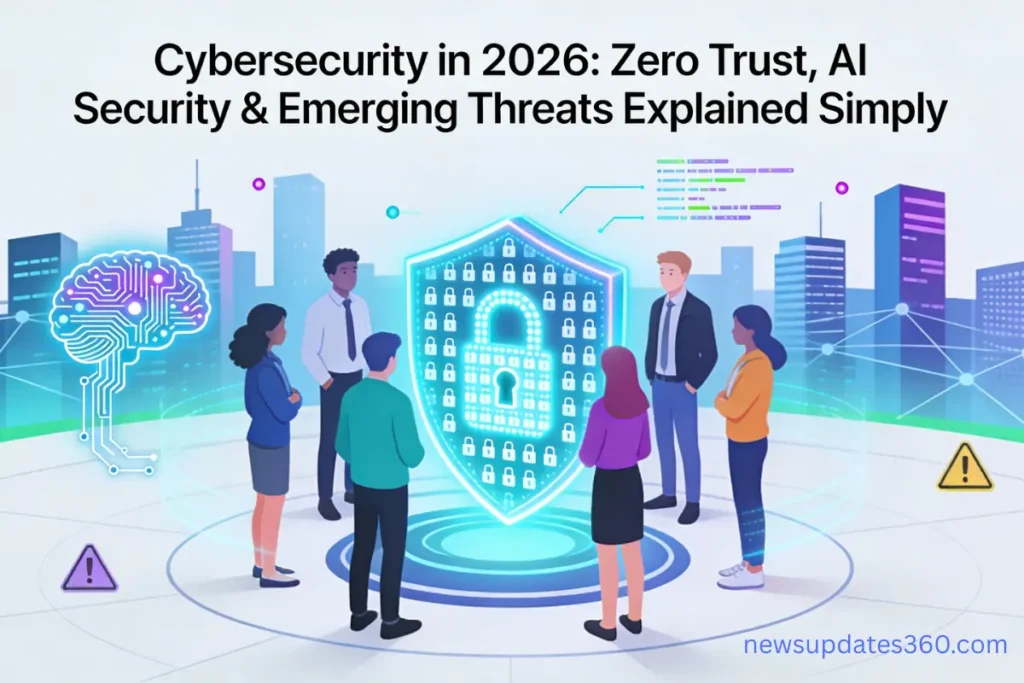
Learn how cybersecurity will evolve in 2026. Understand Zero Trust, AI security, new cyber threats, and protection strategies in simple language.
Introduction: Why Cybersecurity in 2026 Matters More Than Ever
Cybersecurity is no longer just an IT problem. In 2026, it has become a daily life issue that affects individuals, businesses, governments, and even nations.
Every time you:
-
Use a mobile app
-
Make an online payment
-
Log in to your email
-
Store photos in the cloud
-
Work from home
You are interacting with systems that can be attacked.
By 2026:
-
Hackers are smarter
-
Attacks are faster
-
AI is used by both defenders and attackers
-
Traditional security models are failing
This is why Zero Trust Security, AI-powered defense, and new cybersecurity strategies are becoming essential.
This article explains everything in simple, non-technical language, so anyone can understand—students, professionals, business owners, and decision-makers.
Chapter 1: How Cybersecurity Has Changed Before 2026
Earlier Cybersecurity (Before 2015)
Earlier, security was simple:
-
Strong passwords
-
Antivirus software
-
Firewalls
-
Secure networks
If you were inside the office network, you were trusted.
This model worked when:
-
People worked only in offices
-
Data stayed on local servers
-
Devices were limited
Cybersecurity Between 2016-2024
Things started changing rapidly:
-
Cloud computing increased
-
Remote work became normal
-
Smartphones became work devices
-
Online payments exploded
-
Social media stored massive personal data
Hackers started using:
-
Phishing emails
-
Fake websites
-
Malware
-
Ransomware
Security became reactive, not proactive.
Cybersecurity Reality in 2026
By 2026:
-
Data is everywhere
-
Employees work from anywhere
-
Devices connect automatically
-
AI writes code and finds weaknesses
-
Cybercrime is a business
Cybersecurity must now be:
-
Intelligent
-
Predictive
-
Continuous
-
Identity-focused
This is where Zero Trust and AI Security dominate.
Chapter 2: What Is Zero Trust Security
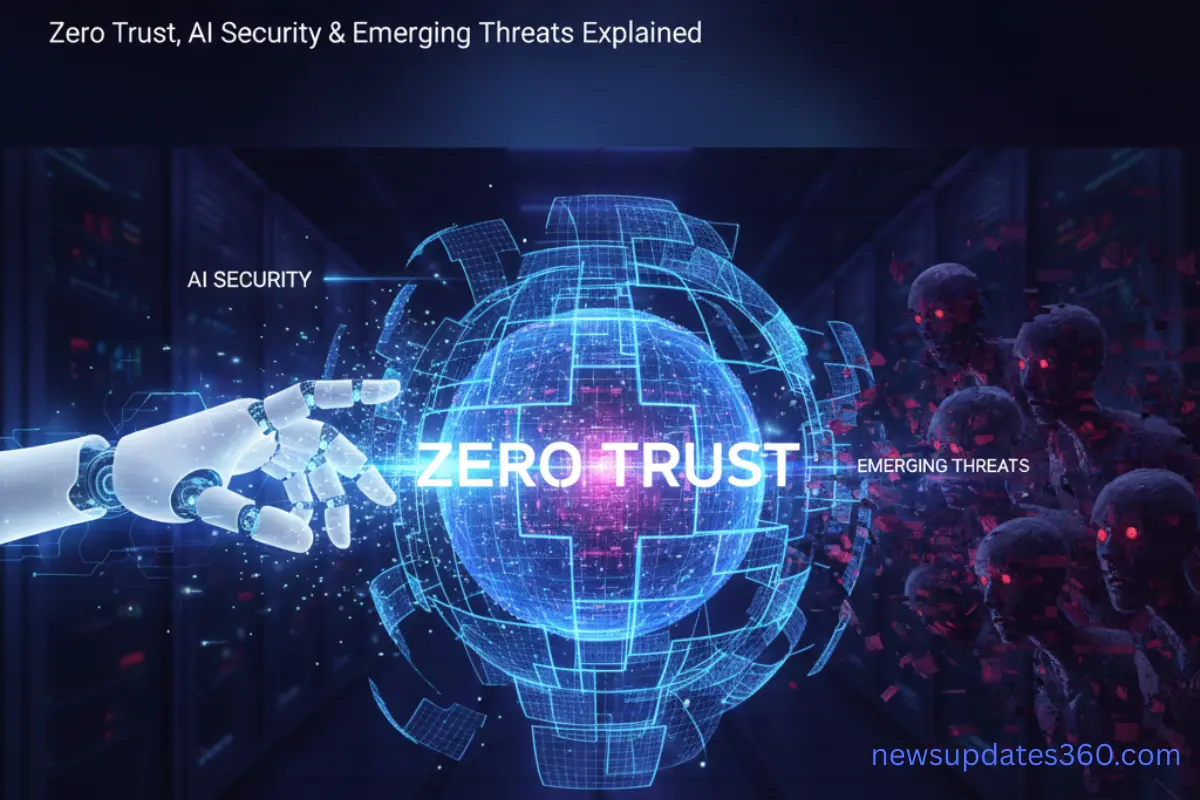
The Core Idea of Zero Trust
Zero Trust follows one simple rule:
“Never trust anything automatically. Always verify.”
It does not matter if:
-
You are inside the company network
-
You are an employee
-
You logged in yesterday
You must prove your identity every time.
Why Traditional Trust Failed
Old security assumed:
-
Inside network = safe
-
Outside network = dangerous
But attackers learned to:
-
Steal credentials
-
Use insider access
-
Move silently inside networks
Once inside, they caused massive damage.
Zero Trust in Simple Terms
Think of Zero Trust like a high-security airport:
-
Every door has a scanner
-
Every person is checked repeatedly
-
Access depends on role and behavior
-
Suspicious activity triggers alarms
Key Principles of Zero Trust
-
Verify Identity Always
-
Multi-factor authentication
-
Biometrics
-
Device verification
-
-
Least Privilege Access
-
Users only get what they need
-
No extra permissions
-
-
Continuous Monitoring
-
Behaviour is watched in real time
-
Sudden changes raise alerts
-
-
Assume Breach
-
Act as if attackers are already inside
-
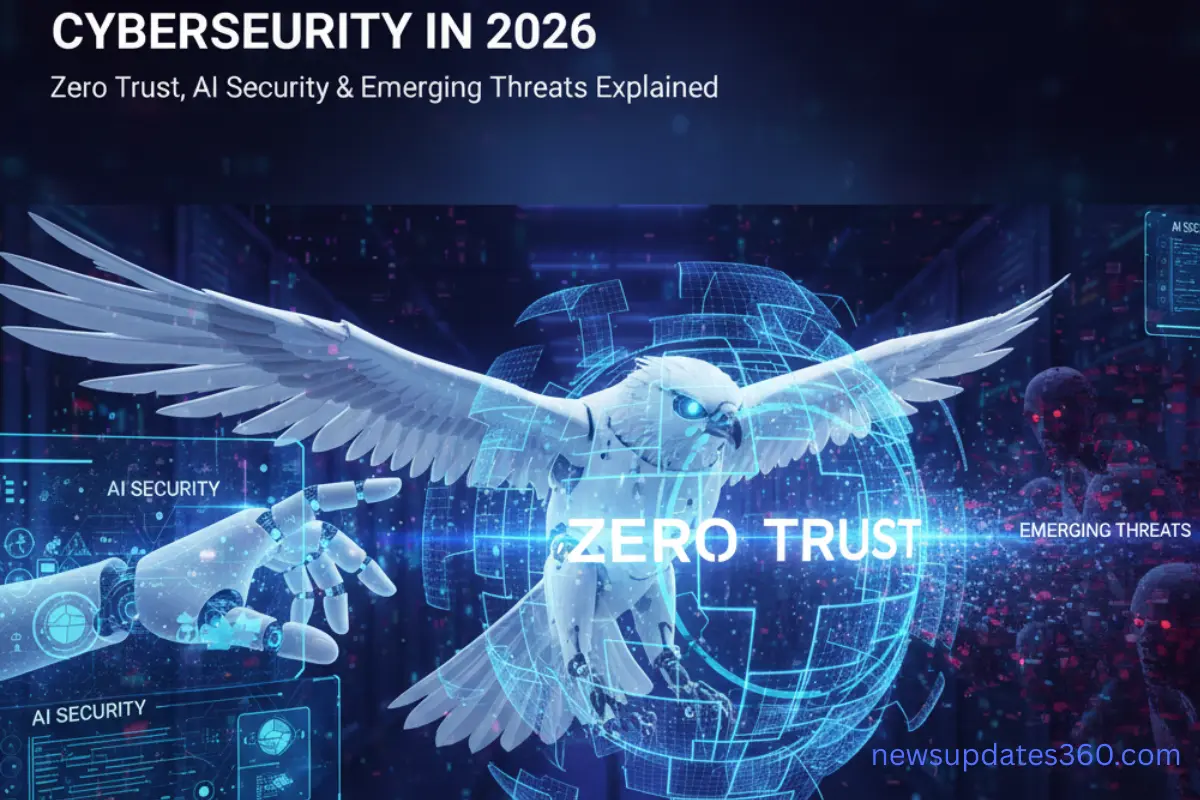
Chapter 3: Why Zero Trust Is Essential in 2026
Remote Work Is Permanent
In 2026:
-
Employees work from home
-
Use personal devices
-
Access cloud platforms
Zero Trust protects:
-
Remote logins
-
Cloud access
-
Hybrid workplaces
Cloud and SaaS Explosion
Companies use:
-
Google Workspace
-
Microsoft 365
-
AWS, Azure, GCP
-
Hundreds of SaaS tools
Zero Trust ensures:
-
Secure access
-
Identity-based protection
-
Reduced data leaks
Insider Threats Are Increasing
Not all attacks come from outsiders.
Some threats come from:
-
Disgruntled employees
-
Stolen credentials
-
Accidental mistakes
Zero Trust limits damage automatically.
Chapter 4: AI in Cybersecurity – Friend and Enemy
How AI Is Used for Security
AI helps security teams by:
-
Detecting unusual behaviour
-
Analysing millions of logs
-
Identifying threats faster than humans
-
Predicting attacks before they happen
AI never gets tired.
AI-Powered Threat Detection
Instead of fixed rules:
-
AI learns normal behaviour
-
Detects anomalies
-
Flags suspicious patterns
Example:
-
Login from new country
-
Accessing unusual files
-
Strange working hours
Automated Incident Response
In 2026:
-
AI can isolate infected systems
-
Block accounts automatically
-
Alert security teams instantly
Response time reduces from hours to seconds.
Top 10 Global Innovations future technologies 2030 that Will Change the World
Chapter 5: AI as a Cyber Weapon (New Threats)
AI-Generated Phishing Attacks
AI can now:
-
Write perfect emails
-
Mimic human language
-
Personalize attacks
Phishing emails in 2026:
-
Look real
-
Sound professional
-
Target individuals
Deep fake Attacks
Hackers use AI to:
-
Clone voices
-
Fake video calls
-
Impersonate CEOs
Businesses lose money through:
-
Fake payment approvals
-
Fake instructions
-
Fake meetings
Automated Malware
AI can:
-
Modify malware automatically
-
Avoid detection
-
Adapt to security systems
This makes attacks harder to stop.
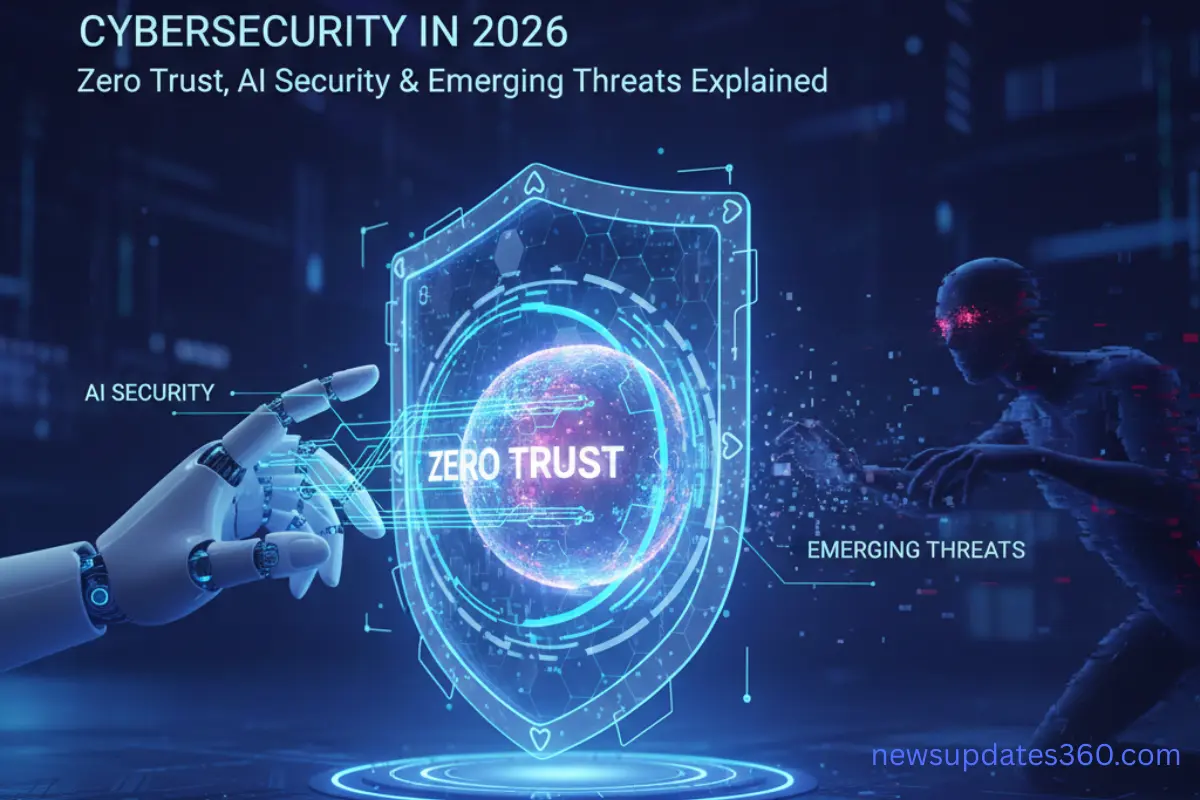
Chapter 6: New Cyber Threats Emerging in 2026
1. Identity Theft 2.0
Attackers target:
-
Digital identities
-
Login tokens
-
Session cookies
Identity becomes the new perimeter.
2. Ransomware Evolution
Ransomware now:
-
Steals data
-
Encrypts systems
-
Threatens public leaks
Some attacks are state-sponsored.
3. Supply Chain Attacks
Hackers attack:
-
Software vendors
-
Libraries
-
Updates
One weak supplier can affect thousands of companies.
4. IoT and Smart Device Attacks
Smart devices include:
-
Cameras
-
Smart TVs
-
Wearables
-
Smart factories
Many lack proper security.
Game-Changing Multimodal Generative AI: Redefining Intelligent Workflows in 2025
Chapter 7: Cybersecurity for Individuals in 2026
Personal Security Best Practices
Everyone should:
-
Use password managers
-
Enable multi-factor authentication
-
Avoid public Wi-Fi without VPN
-
Update devices regularly
Protecting Digital Identity
Your identity includes:
-
Email
-
Social media
-
Banking apps
-
Cloud accounts
Protect identity like money.
Chapter 8: Cybersecurity for Businesses
What Companies Must Do
By 2026, companies must:
-
Adopt Zero Trust architecture
-
Use AI-based monitoring
-
Train employees regularly
-
Secure cloud environments
Security Awareness Training
Human error causes most breaches.
Training includes:
-
Phishing detection
-
Password hygiene
-
Social engineering awareness
Chapter 9: Government and Global Cybersecurity Trends
Governments focus on:
-
Cyber warfare defense
-
National digital infrastructure
-
Data protection laws
-
AI regulations
Cybersecurity becomes a national priority.
Top Cybersecurity Threats of 2025 and How to Stay Safe Online
Chapter 10: Future of Cybersecurity Careers
High-Demand Roles in 2026
-
Cybersecurity Analyst
-
Zero Trust Architect
-
Cloud Security Engineer
-
AI Security Specialist
-
Ethical Hacker
Cybersecurity jobs are:
-
High paying
-
Globally demanded
-
Future-proof
Chapter 11: How to Prepare for Cybersecurity in 2026
For Students
-
Learn basics of networking
-
Understand cloud security
-
Practice ethical hacking
For Professionals
-
Upgrade skills
-
Learn Zero Trust concepts
-
Study AI security tools
For Businesses
-
Invest in security early
-
Don’t wait for breaches
For more info visit hbr.org
Frequently Asked Questions (FAQs)
Q1. What is Zero Trust in simple words?
Zero Trust means never trusting anyone or anything automatically and always verifying identity and behaviour.
Q2. Why is AI important in cybersecurity?
AI helps detect threats faster, analyse data efficiently, and respond automatically.
Q3. Are cyber threats increasing in 2026?
Yes, attacks are more advanced, automated, and targeted.
Q4. Can individuals be cyber targets?
Yes, identity theft and phishing target individuals heavily.
Q5. Is cybersecurity a good career in 2026?
Absolutely. It is one of the fastest-growing tech careers.
Q6. What is the biggest cyber threat in 2026?
AI-powered phishing and identity attacks.
Q7. How does Zero Trust help remote workers?
It secures access regardless of location or device.
Q8. Are passwords still enough?
No. Multi-factor authentication is essential.
Q9. Do small businesses need cybersecurity?
Yes. Small businesses are frequent targets.
Q10. What is the future of cybersecurity?
AI-driven, identity-focused, and Zero Trust-based.
Conclusion: Cybersecurity in 2026 Is About Trusting Nothing and Protecting Everything
Cybersecurity in 2026 is not about fear-it’s about preparedness.
Key takeaways:
-
Zero Trust is the foundation
-
AI is both shield and sword
-
Identity is the new security boundary
-
Cybersecurity is everyone’s responsibility
The future belongs to those who secure it today.
More info visit www.dice.com
Related Updates
- AI Tools for Developers Best Copilots and Code Assistants in 2026: Redefining Modern Software Development
- Generative AI in 2026: How Gemini, ChatGPT, and Grok Are Transforming the Future of Online Work
- How AI Will Impact Jobs in India by 2030: Reality vs Hype Complete Reviews
- 7 Best AI Video Generators for Small Business Marketing in 2025
- How Vector Databases Power Modern AI Applications: The Backbone of Intelligent Systems in 2026
- AI Agents: The Next Big Tech Revolution of 2025-Everything You Need To Know